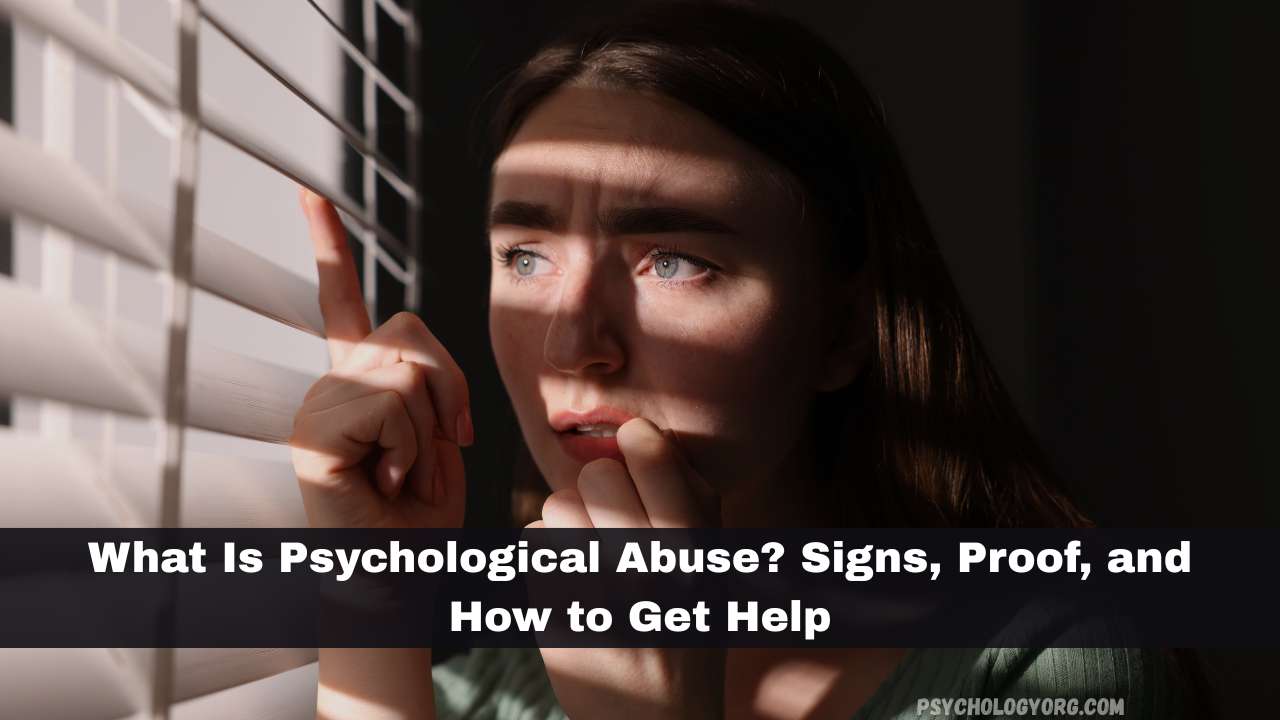
Psychological abuse consists of actions or words that emotionally harm a person, such as humiliation, threats, manipulation, or isolation. Testimonies, messages, recordings, or psychological evaluations that demonstrate the harm caused can be used to prove it. This dynamic can occur in romantic relationships, as well as in family, work, and friendship relationships.
Unlike physical abuse, this type of mistreatment doesn’t leave visible marks, but its consequences are just as devastating. In this Psychologyorg article, we’ll provide you with information about what psychological abuse is and how to recognize it. Understanding and raising awareness of this problem is an essential step in combating it and providing support to those who suffer from it.
What is psychological abuse?
Psychological abuse is a form of silent violence that profoundly affects a person’s emotional and mental health. This abuse includes behaviors such as humiliation, manipulation, insults, social isolation, and constant threats. Unlike physical violence, psychological misuse is not accompanied by physical harm.
While each case is unique, there is a general pattern of psychological abuse that gradually escalates. Below, we will examine the most prevalent stages:
- Initial phase: In this stage, the aggressor displays irritability, subtle criticism, or controlling behavior. The victim feels discomfort or anxiety and tries to avoid conflict.
- Critical phase: This is where the most evident psychological misuse occurs, such as insults, humiliation, manipulation, or threats. It is the moment of greatest emotional damage and exhaustion for the victim.
- Reconciliation phase: The abuser apologizes, promises to change, or displays affectionate behavior to minimize the harm or justify their actions. This confuses the victim and can lead them to stay in the relationship. This cycle can repeat itself and become increasingly intense, trapping them in a dynamic that is difficult to break.
How to prove psychological abuse
Proving psychological abuse can be complex due to its intangible nature, but it is possible by gathering evidence and testimonies that demonstrate the abuse. The main strategies are as follows:
- Written records: saving text messages, emails, or notes with offensive, manipulative, or threatening content.
- Voice or video recordings: document incidents where the aggressor insults, humiliates, or exerts control, always within the legal limits of the country.
- Third-party testimonies: obtaining statements from people who witnessed the abuse.
- Personal diary: record incidents of abuse, describing dates, situations, and emotions experienced, as evidence of the pattern of mistreatment.
- Psychological assessments: consult a professional who can document the emotional damage suffered through reports.
- Formal complaints: go to specialized institutions or services to report the abuse, creating an official record.
The combination of these tools increases the chances of proving psychological vitriol to third parties or in legal proceedings.

When and how to report psychological abuse
Physical and psychological violence should never be normalized in any social relationship. It is important to report abuse when it significantly affects your well-being, mental health, or puts your safety at risk. This includes situations of constant insults, threats, or isolation, especially if you experience it repeatedly. To report psychological abuse, do the following:
- Gather evidence: Before reporting, collect evidence such as messages, recordings, testimonies, or psychological reports that support your case.
- Seek support: consult professionals, such as psychologists, lawyers, or social services, who can guide you through the process. Explain all the details of the abuse you suffered, without omitting relevant information or falsifying facts.
- Go to the authorities: Go to the police station, court, or relevant institution in your country to file a formal complaint. Clearly explain the events, provide any evidence you have gathered, and detail the impact on your life. Upon notification from a state agency, the perpetrator of violence will face restrictions and legal consequences if they defy the law.
- Contact specialized services: organizations that help victims of violence or abuse offer legal, psychological, and emotional support.
- Additional protection: If you feel you are in danger, request protective measures, such as restraining orders, during the reporting process.
Reporting is a crucial step to break the cycle of abuse and receive the necessary help.
What legal support is available, and how can psychological abuse be prevented?
The laws that make up each country’s constitution contain information on how to prevent emotional abuse. Specifically, the main legal supports against psychological abuse are the following:
- Reporting to authorities: You can file reports at police stations, prosecutor’s offices, or courts specializing in gender-based violence, domestic violence, or psychological abuse. This article provides information about domestic violence: what it is, its causes, and how to prevent it.
- Protection orders: In serious cases, a restraining order or precautionary measures can be requested to guarantee the safety of the victim.
- Free legal assistance: many jurisdictions offer free lawyers for victims, especially in cases of domestic or gender-based violence.
- Protection law: depending on the country, there are specific laws that define and punish psychological misuse, allowing legal action against the aggressor.
- Victim support centers: public or private institutions that provide legal, psychological, and social support.
How to prevent psychological abuse
Preventing psychological abuse is key to keeping personal relationships from falling into patterns of emotional abuse. Below, we present practical and effective strategies to prevent this type of abuse:
- Learn about the types of violence: listening to specialists at conferences or learning about it will give you a better understanding of the types of situations that could become psychological misuse.
- Strengthen your self-esteem: work on your self-confidence to identify and reject abusive behavior. Instead of seeking approval from someone who is violent, adopt a confident and secure attitude toward life.
- Set clear boundaries: Don’t give in to every demand just to avoid a rude reaction from others. Recognize and don’t tolerate harmful behavior from the start of the relationship.
- Foster healthy relationships: surround yourself with people who promote respect, empathy, and assertive communication.
- Work on your emotions: learn to manage emotions, identify toxic dynamics, and ask for help when needed.
- Seek early support: at the first signs of abuse, go to professionals or support networks that can provide guidance and resources.
- Promote social awareness: disseminate information about psychological misuse to prevent it in the community. Prevention begins with awareness and action to prevent emotional abuse from becoming normalized or increasing.

Ready to take the next step in your personal growth? Explore expert services — from therapy to life coaching — available on Fiverr.
If you want to read more articles similar to What is psychological abuse and how to prove it, we recommend that you enter our psychology category.
- Gómez de Terreros Guardiola, M. (2006). Psychological abuse. Journal of Forensic Medicine Notebooks, 12 (43-44), 103-116.
- Sánchez Giraldo, LA, Baena Crespo, YA, Montoya González, WA, Fernández Fuente, S. (2013). Contributions of legal psychology to the approach to domestic violence against women. Virtual Journal of Social Sciences and Humanities, 7 (11), 289-306.

I’m Waqar Hasan, a passionate psychologist and dedicated content writer.
With a deep interest in understanding human behavior, I aim to share insights and knowledge in the field of psychology through this blog.
Feel free to reach out for collaborations, queries, or discussions.
Let’s dig into the fascinating world of psychology together!