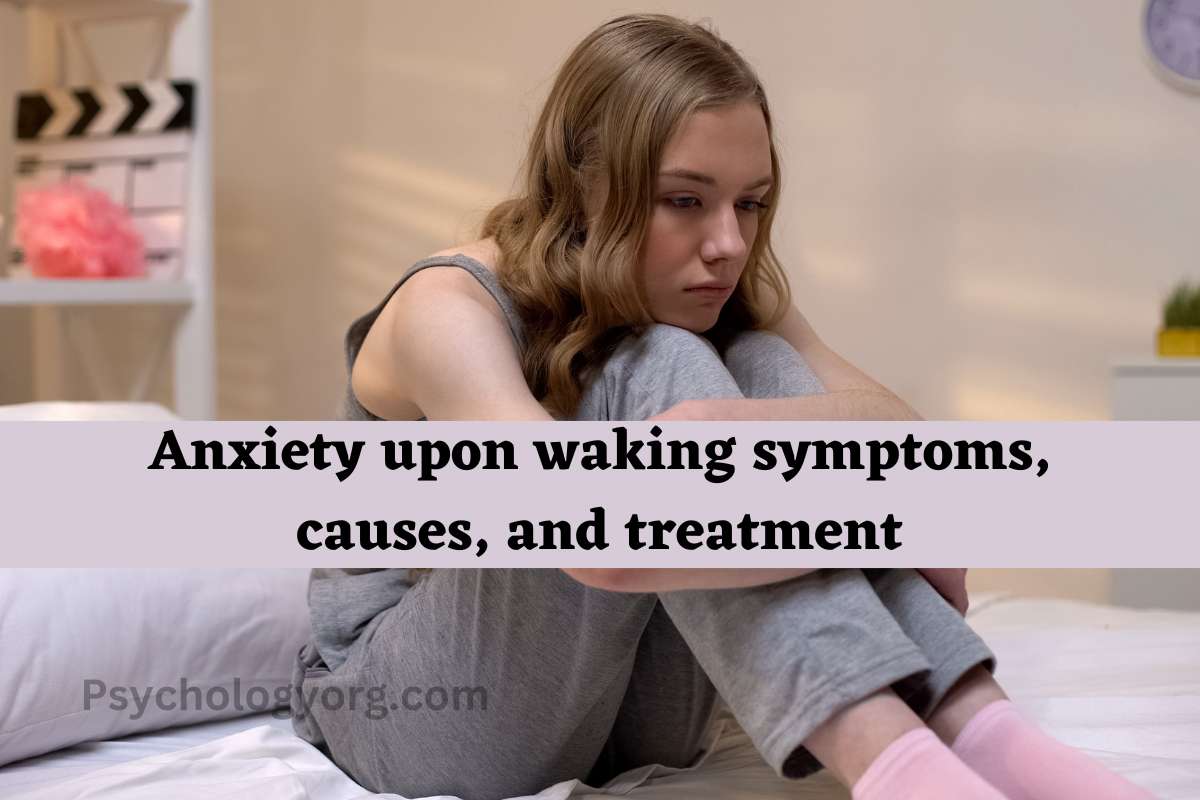
Anxiety upon waking is a strong feeling of worry or fear that hits you in the morning. Before you even get out of bed, you might suddenly feel overwhelmed by negative thoughts and find it hard to breathe. This is something more common than you might think, and it’s called waking anxiety.
It’s important to understand and deal with this feeling so it doesn’t make your life worse. In this Psychologyorg article, we will explain what waking anxiety is, what causes it, and how you can treat it. You’ll learn how to spot it, what makes it happen, and the best ways to handle it.
Table of Contents
What is anxiety upon waking
Anxiety upon waking is when you wake up in the morning and immediately start to feel anxious or worried. It is also also called morning anxiety. Here’s a simple way to understand it:
- Feeling Anxious: As soon as you wake up, you might feel a lot of worry, fear, or unease. It’s like a wave of nervous feelings hits you before you even get out of bed.
- Lasts Through the Day: This feeling of anxiety can last for a while and make it hard for you to feel calm or focused throughout the day.
- Interferes with Daily Life: If you have anxiety upon waking up, it can affect how you feel and how you do everyday things, like going to school or spending time with friends.
- Can Be Managed: It’s important to know that you can do things to help control or even get rid of this anxiety. It might be uncomfortable, but it can also help you learn more about what makes you anxious and how to take care of your mental health.
Example
Imagine you wake up and start thinking about a big test you have that day. You might feel nervous or scared, and those feelings might stick with you as you get ready for school. This is what anxiety upon waking feels like.
Why It Happens
Anxiety upon waking can happen for many reasons, such as:
- Stress from school or home
- Worries about the future
- Bad dreams or sleep issues

Symptoms of anxiety upon waking
Here are some signs that you might be experiencing anxiety upon waking:
- Feeling Nervous Right Away
As soon as you wake up, you might feel very nervous or uneasy. - Racing Thoughts
Your mind might be filled with worried or scary thoughts that you can’t seem to stop. - Fast Heartbeat
You might notice your heart beating really fast when you wake up. - Trouble Breathing
You might find it hard to catch your breath or feel like you can’t breathe deeply. - Tightness in Your Chest
Your chest might feel tight or uncomfortable, almost like you have a heavy weight on it. - Feeling Overwhelmed
You might feel like you have too much to handle or that everything is too much to deal with. - Difficulty Getting Out of Bed
You might find it hard to get out of bed because you feel too anxious. - Mood Changes
You might feel irritable, sad, or angry right after you wake up.
If you notice these signs, it might be a sign of anxiety upon waking.
Causes of anxiety upon waking
Why do I wake up feeling afraid or anxious? There are several common reasons why you might feel this way in the morning. Here are some of the main causes:
1. Stress and Worries
When you’re dealing with stress or worries, it can make you feel anxious as soon as you wake up. Stress often comes from difficult situations, like fear of failing an exam or losing your job. Worries are thoughts about what might go wrong in the future.
2. Generalized Anxiety Disorder (GAD)
GAD is a condition where people worry too much about many different things, like their health, work, or relationships. If you have GAD, you might feel anxious in the morning even if there’s no specific reason.
3. Panic Disorder
People with panic disorder often have sudden, intense feelings of fear or panic. In the morning, they might experience symptoms like a fast heartbeat, sweating, shaking, or trouble breathing.
4. Obsessive-Compulsive Disorder (OCD)
OCD causes people to have recurring, intrusive thoughts that make them anxious. They might also feel the need to perform certain actions or rituals to feel better. In the morning, they might feel compelled to do these rituals to start the day.
5. Post-Traumatic Stress Disorder (PTSD)
PTSD can develop after someone has been through a traumatic experience. People with PTSD might have flashbacks and nightmares or avoid certain places. They might feel anxious or scared when they wake up because they fear reliving the trauma.
6. Sleep Disorders
Problems with sleep, like sleep apnea or restless leg syndrome, can disrupt your rest and make you feel anxious in the morning.
7. Medical Problems
Certain health issues, like low blood sugar or thyroid problems, can cause anxiety when you wake up.
8. Medication Side Effects
Some medicines, such as steroids or blood pressure medications, can cause anxiety as a side effect.
9. Substance Use
Using substances like alcohol, caffeine, or stimulants can mess with your sleep and lead to morning anxiety.

Treatment of anxiety upon waking
If you feel anxious when you wake up, there are different ways to help you feel better. Here are some treatments you can try:
1. Cognitive-behavioral therapy (CBT)
What It Is: CBT is a type of therapy where you work with a therapist to change negative thoughts and behaviors that cause anxiety.
How It Helps: A therapist can help you identify what’s making you anxious in the morning and teach you how to change those thoughts or behaviors.
2. Relaxation Techniques
What They Are: Relaxation techniques are methods to help you calm down and feel less anxious. Examples include:
- Meditation: Sitting quietly and focusing on your breath.
- Deep Breathing: Taking slow, deep breaths to help you relax.
- Progressive Muscle Relaxation: Tensing and then relaxing different muscles in your body.
- Yoga: A practice that combines movement, stretching, and breathing.
How They Help: These techniques can reduce anxiety and can be learned in therapy or practiced on your own at home.
3. Lifestyle Changes
What They Are: Small changes to your daily habits can help with morning anxiety. Examples include:
- Avoid Caffeine: Don’t drink coffee or other caffeinated drinks before bed.
- Exercise Regularly: Get some physical activity each day.
- Eat Healthy Foods: Maintain a balanced diet with fruits, vegetables, and whole grains.
How They Help: Good habits can improve your sleep and reduce anxiety.
4. Medication
What It Is: Sometimes doctors prescribe medicine to help with anxiety and improve sleep. Common types include:
- Anxiolytics: Medications for anxiety.
- Antidepressants: Medications that can also help with anxiety.
How It Helps: These medicines can reduce anxiety, but you should only take them if a doctor prescribes them. Taking the wrong medication can be harmful.
Get personalized therapy and practical tools for overcoming anxiety with Online-Therapy convenient online sessions.
Conclusion
In conclusion, waking up with anxiety is something many people go through. If you know what it feels like—like being nervous, having lots of worries, or feeling physical discomfort—you can start to deal with it. Morning anxiety can come from different things like stress, mental health issues like Generalized Anxiety Disorder (GAD) or PTSD, and even your daily habits.
But there are good ways to help with morning anxiety. Cognitive-behavioral therapy (CBT) can help you change negative thoughts and behaviors. Relaxation techniques, like meditation and deep breathing, can help you feel calmer. Lifestyle changes, like avoiding caffeine before bed and getting regular exercise, can also help. Sometimes, medication from a doctor might be needed.
A great way to get help is to try Online-Therapy.com. They offer online therapy with experts who can give you support and tools to manage your anxiety and feel better.
By understanding what causes morning anxiety and using these treatments, you can take steps to improve how you feel each day. You don’t have to go through it alone—there are resources and strategies to help you feel better and start your day right.
FAQs
Why Do I Have Anxiety When Waking Up?
You might feel anxious when you wake up because of things like stress from school or home, worries about the future, or sleep problems. Sometimes, mental health issues like Generalized Anxiety Disorder (GAD) or PTSD can also make you feel anxious in the morning.
How Do I Beat Anxiety in the Morning?
To beat anxiety in the morning, you can try a few things:
Practice Relaxation Techniques: Try deep breathing, meditation, or gentle stretching.
Make Lifestyle Changes: Avoid caffeine before bed, exercise regularly, and eat healthy foods.
Try Cognitive-Behavioral Therapy (CBT): This type of therapy helps you change negative thoughts and feelings.
Seek Professional Help: Consider online therapy with Online-Therapy.com for personalized support.
What Is the Best Remedy for Anxiety?
The best remedy for anxiety can depend on the person, but here are some effective options:
Cognitive-Behavioral Therapy (CBT): Helps you change negative thoughts and behaviors.
Relaxation Techniques: Practices like meditation, deep breathing, and yoga.
Lifestyle Changes: Regular exercise, a healthy diet, and good sleep habits.
What Causes Anxiety While Sleeping?
Anxiety while sleeping can be caused by things like stress, bad dreams, or sleep disorders. Sometimes, mental health issues like PTSD or anxiety disorders can also cause anxiety during the night.
Is Morning Anxiety Treatable?
Yes, morning anxiety is treatable. You can manage it with relaxation techniques, lifestyle changes, and therapy. If needed, a doctor can also help you find the right treatment.
What Medication Is Used for Morning Anxiety?
For morning anxiety, doctors might prescribe medications like:
Anxiolytics: Medications that help reduce anxiety.
Antidepressants: Medicines that can help with anxiety and mood.
If you want to read more articles similar to Anxiety when Waking Up: symptoms, causes, and Treatment, we recommend that you enter our Psychology category.
Read Also:
How to attract a person with the law of attraction

I’m Waqar Hasan, a passionate psychologist and dedicated content writer.
With a deep interest in understanding human behavior, I aim to share insights and knowledge in the field of psychology through this blog.
Feel free to reach out for collaborations, queries, or discussions.
Let’s dig into the fascinating world of psychology together!